Bold Strokes & Bright Colors: Creating Dynamic Art with Acrylic Paint
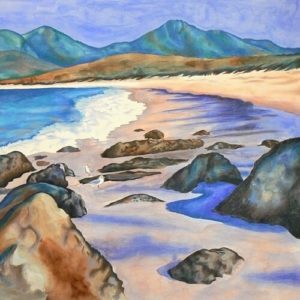
There’s something undeniably magnetic about a painting that bursts with energy — where colors collide, brushstrokes dance, and every inch of the canvas feels alive. Acrylic paint, with its versatility and vibrancy, is the perfect medium for this kind of bold, expressive art.
If you’ve ever wanted your artwork to feel more dynamic, more spontaneous, and more you, acrylics offer the perfect playground. This article explores how to harness their full potential — from brush techniques and color theory to layering and texture — so you can create pieces that pulse with life and emotion.
Why Acrylic Paint is Perfect for Dynamic Art
Acrylics sit at the intersection of control and freedom. They dry quickly, allowing you to build up layers fast, and they’re flexible enough for a wide range of techniques — from smooth glazes to thick impasto.
Here’s why acrylics are especially suited for bold, energetic painting:
Fast drying time: Keeps your momentum going and lets you layer without long waits.
Intense pigments: Acrylics are known for their bright, saturated colors that stay true even when dry.
Versatility: You can use them thick like oils or thinned like watercolors.
Durability: Once dry, acrylics resist fading and damage, ensuring your bold artwork stays vibrant.
In short, acrylics reward courage and experimentation — exactly what you need to create dynamic compositions.
1. Embrace the Power of Bold Strokes
Your brushwork is your signature. Each stroke tells a story about your movement, your energy, and your emotional state while painting.
To create truly dynamic acrylic art, focus on these key techniques:
Go Big
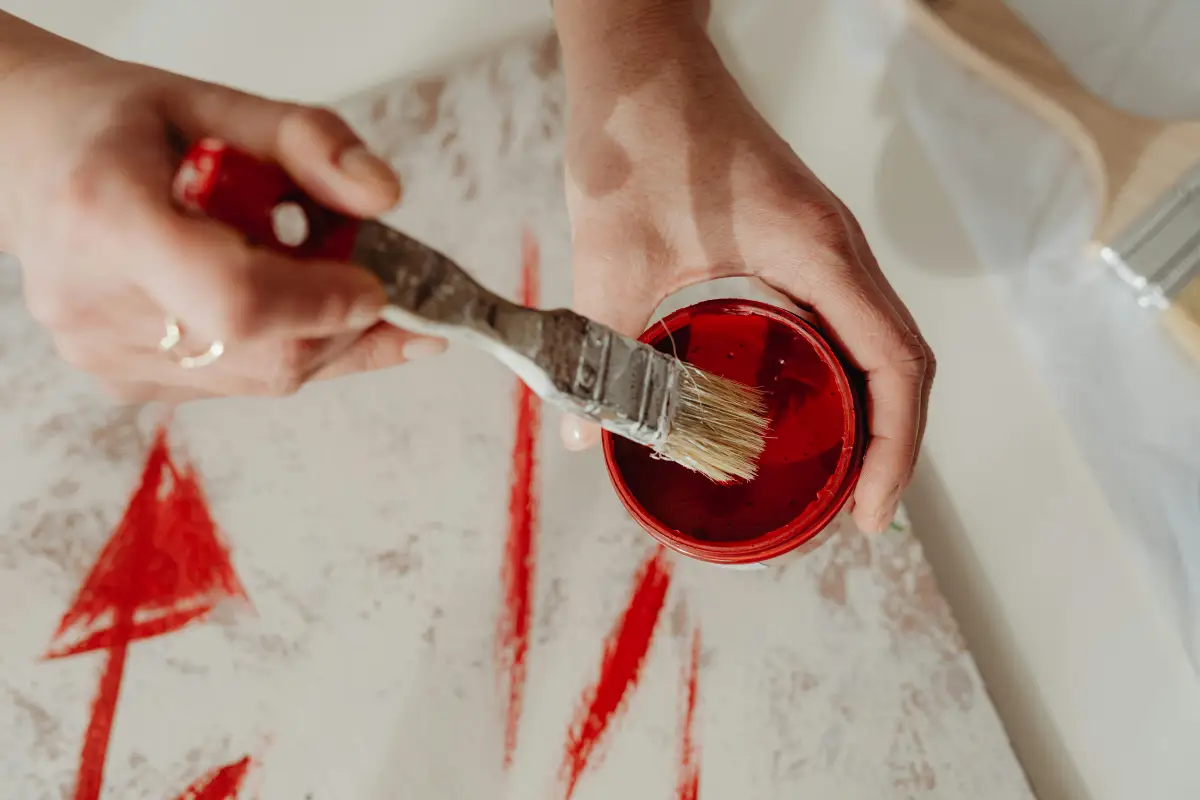
Use large brushes or even palette knives to lay down confident, sweeping strokes. The goal is to make marks that feel intentional and free, not timid or overworked.
Use Your Whole Arm
Instead of just moving your wrist, paint from your shoulder. This adds a physical rhythm and energy to your marks, producing strokes that feel fluid and expressive.
Vary Your Pressure
Play with the thickness and texture of your strokes by pressing harder or softer. A single brushstroke can shift from bold and opaque to light and translucent, adding depth and visual interest.
Break the Rules
Try using unconventional tools — an old credit card, sponge, or even your fingers — to make unexpected marks. These spontaneous textures often lead to the most exciting results.
Color is the emotional heartbeat of dynamic acrylic art. When you use bright, high-contrast colors, your painting instantly commands attention.
Here’s how to harness that vibrancy effectively:
Start with a Strong Palette
Limit your colors at first — maybe three to five hues — and focus on how they interact. A few well-chosen colors can feel more cohesive and striking than a dozen competing ones.
Understand Warm vs. Cool
Warm colors (reds, oranges, yellows) push forward and energize, while cool colors (blues, greens, purples) recede and calm. Using these intentionally helps control movement and focus within your painting.
Layer for Luminosity
Because acrylics are fast-drying, you can build color intensity through layers. Try glazing transparent colors over dried layers to create glowing effects that seem to radiate light.
Contrast is Key
Pair bright hues with neutrals or dark tones. The more contrast you create — in color, value, and saturation — the more dynamic and dimensional your art becomes.
Dynamic art isn’t just about what’s on the surface — it’s about what lies beneath it. Texture adds tactile depth and catches light in ways that make your painting feel alive.
Build Texture with Mediums
Experiment with modeling paste, gel mediums, or sand gel. Apply them thickly, sculpting the surface before painting over it. The raised areas catch highlights beautifully and emphasize movement.
Scrape and Reveal
Once a layer dries, scrape back parts of it using a palette knife or sandpaper to expose colors beneath. This creates visual depth and an organic, weathered feel.
Dry Brush for Expressive Detail
Using a nearly dry brush with little paint, drag across textured surfaces to pick up just the raised areas — a subtle but powerful way to highlight texture and movement.
Dynamic paintings pull the viewer’s gaze around the canvas, never letting it rest for too long. To achieve this, think of your composition as choreography — a dance between color, form, and rhythm.
Use Directional Lines
Diagonal strokes, curves, or patterns naturally create movement. Avoid overly static, centered compositions; instead, lead the eye from one area to another.
Balance Energy
If one section of your painting is particularly bold, offset it with softer areas or negative space. This interplay between calm and chaos enhances the impact of your bold elements.
Experiment with Asymmetry
Perfect symmetry often feels predictable. Asymmetrical balance — where visual weight is distributed unevenly but harmoniously — adds tension and vitality.
Perhaps the most important tip for creating dynamic acrylic art is this: don’t overthink it. Acrylics encourage spontaneity, so let your instincts lead.
Start with a quick underpainting, then respond to it intuitively — layering, scraping, dripping, and blending as you go. Allow “happy accidents” to shape the final piece.
If you find yourself tightening up, step back, take a breath, and return with fresh eyes. Dynamic art often comes from a state of flow, where you’re reacting to the painting rather than forcing it.
Final Thoughts: Bold Art Comes from Bold Choices
Dynamic acrylic art isn’t about perfection — it’s about expression. Every bold stroke, every bright color, every layer of texture adds to your visual story.
When you embrace acrylics’ fast pace and vivid pigments, you open the door to an artistic process that feels alive, spontaneous, and deeply personal. So grab your brushes, crank up your favorite music, and start painting with confidence.
Because in the end, the most dynamic art doesn’t just show energy — it radiates it.
*Some links on this page are affiliate links. I use Blick Art Materials and I’m a Blick Art Materials affiliate, which means I may earn a small commission if you make a purchase—at no extra cost to you. – Thanks so much for your support.