Crayons Re-imagined: Turning a Childhood Tool into Serious Art
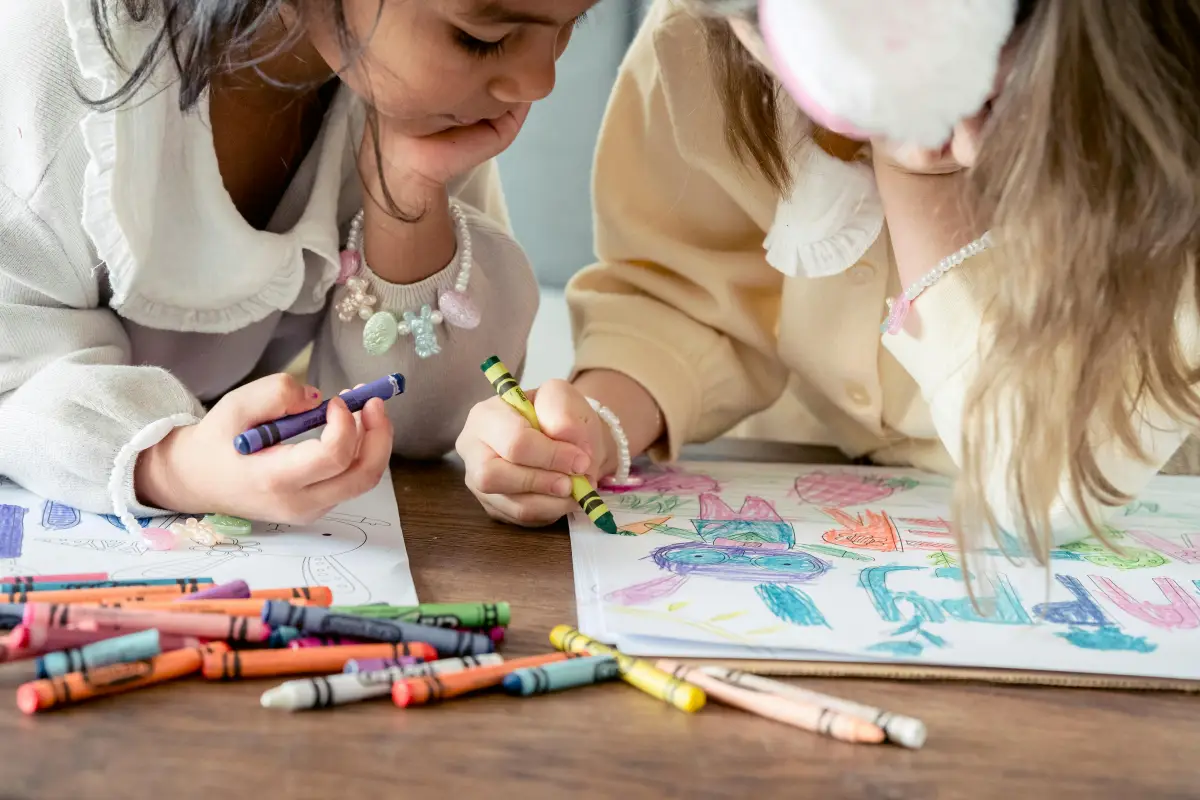
When most of us think about crayons, our minds go straight to childhood memories: coloring books, scribbles on paper, and the iconic cardboard box filled with neatly lined sticks of wax. Crayons are often dismissed as a beginner’s tool, a stepping stone to “real” art supplies like paints, inks, or pastels.
But here’s the secret: crayons have never lost their potential. In fact, they’re making a comeback—not just in classrooms, but in art studios, galleries, and creative spaces worldwide. With a little imagination (and a few simple techniques), crayons can become a powerful medium for serious, striking, and highly expressive art.
Whether you’re a beginner, a hobbyist, or an artist looking to explore something new, this reimagined perspective on crayons might just surprise you.
Why Crayons Deserve a Second Look
Crayons are more than wax in paper wrappers. They’re vibrant, affordable, and forgiving, making them perfect for experimentation. Unlike paints, they don’t require brushes, water, or palettes—just open the box, and you’re ready to create.
What makes crayons unique is their blend of control and unpredictability. They can produce fine, precise lines or soft, blended gradients. They can be layered for depth, scraped back for texture, or melted for bold effects. And because they’re non-toxic and low-mess, they’re beginner-friendly and approachable for all ages.
In short: crayons are accessible, versatile, and surprisingly sophisticated.
Getting Started: Tools You'll Need
You don’t need much to start creating crayon art. A basic starter kit might include:
Crayons – Any brand will do, but softer, high-pigment crayons (like Crayola or specialty artist crayons) work best for layering and blending.
Paper – Heavier paper or cardstock holds up better to layering and scraping. You can also experiment on canvas or wood.
Sharpener or Knife – Useful for creating points or shavings for texture.
Heat Source (optional) – A hair dryer or heat gun can melt crayons for smooth blending or dripping effects.
Scraping Tools – Old credit cards, palette knives, or even toothpicks can reveal layers underneath.
Here are a few beginner-friendly crayon art techniques that can elevate your work beyond simple coloring:
1. Layering for Depth
Press lightly to create a base layer, then add darker shades on top. Blend with gentle circular strokes. You’ll get a richness similar to pastels.
2. Blending with Heat
Warm the paper slightly with a hair dryer, then apply crayon strokes. The softened wax glides smoothly, creating buttery blends.
3. Sgraffito (Scratch Art)
Color a surface heavily with multiple crayon layers, then scratch away the top to reveal colors beneath. This technique is great for patterns or bold contrasts.
4. Melted Crayon Drip Art
Secure crayons above your canvas and apply heat until they drip. The results are unpredictable, vibrant, and dramatic—perfect for abstract art.
5. Mixed Media
Combine crayons with watercolor washes, ink outlines, or acrylic paint. The wax resists water, creating striking textures and contrasts.
Crayons in the Art World
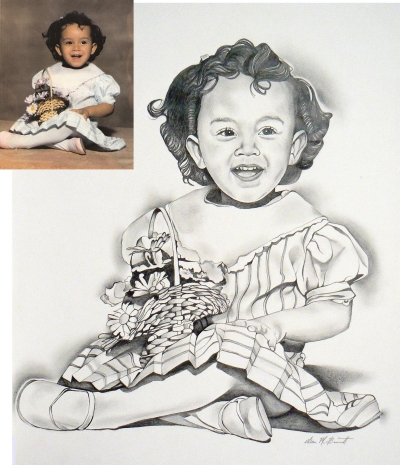
You might be surprised to learn that many contemporary artists have embraced crayons as a serious medium. Some create hyper-realistic portraits using nothing but wax crayons. Others use melted crayon techniques to craft large, textured canvases that hang in galleries.
Crayons also appear in street art, installations, and even sculptures. Their familiarity draws viewers in, while the artistry behind them challenges expectations.
By choosing crayons, you’re tapping into a tradition of creativity that bridges childhood wonder with adult expression.
The beauty of crayons is that they don’t demand perfection. Every mark is part of the process. By experimenting with layers, textures, and heat, you’ll begin to see how this simple tool can produce results far beyond childhood coloring books.
The more you play, the more techniques you’ll discover. And as your confidence grows, you may find yourself seeing crayons not as “kid stuff,” but as a legitimate, expressive medium with endless creative potential.
Final Thoughts
Re-imagining crayons isn’t about replacing paints or pastels—it’s about expanding your creative toolkit. It’s about rediscovering a familiar, humble tool and unlocking its hidden possibilities.
So, the next time you see a box of crayons, don’t dismiss it as a child’s toy. Instead, see it as an invitation: a chance to explore color, texture, and creativity in ways that are fun, affordable, and deeply rewarding.
After all, art isn’t about the fanciest materials. It’s about expression. And sometimes, the simplest tools hold the greatest potential.
✨ Takeaway: Crayons aren’t just for kids—they’re a gateway to serious, exciting, and joyful art. All you need is a little imagination to bring them to life.
*Some links on this page are affiliate links. I’m a Blick Art Materials affiliate, which means I may earn a small commission if you make a purchase—at no extra cost to you. Thanks so much for your support.