From Canvas to Creation: Unlocking the Versatility of Acrylic Painting
Few art mediums have captured the imagination of both beginners and professional artists quite like acrylic paint. Its vibrant pigments, quick-drying nature, and incredible adaptability make it one of the most exciting tools in the creative world. Whether you’re painting a bold abstract on canvas, experimenting with mixed media, or transforming furniture with a modern finish, acrylics are as versatile as your imagination allows.
In this article, we’ll explore why acrylic painting continues to captivate artists across styles and skill levels — and how you can use it to unlock your own creative potential.
1. The Allure of Acrylics
Acrylic paint is a relative newcomer in the long history of art. Developed in the mid-20th century, it quickly gained traction among artists looking for a medium that combined the richness of oil paints with the ease and flexibility of watercolor. The result was a pigment that could do it all — thick or thin, matte or glossy, transparent or opaque.
Unlike oils, which can take days or even weeks to dry, acrylics dry in minutes, allowing artists to layer, blend, and rework their pieces rapidly. This makes them perfect for experimentation, fast-paced creativity, and projects that demand energy and spontaneity.
It’s this balance of control and freedom that makes acrylics so magnetic. Whether you’re painting your first piece or your hundredth, you can adapt your technique to suit your mood, subject, and desired effect.
2. From Canvas to Every Surface
While acrylics are most commonly associated with canvas paintings, their true versatility shines far beyond traditional art surfaces. Because they adhere to almost anything that isn’t too slick or greasy, you can use acrylics on:
Wood: Create rustic wall art, decorative panels, or furniture accents.
Glass and Ceramics: Use specially formulated acrylics or sealants for long-lasting designs.
Fabric: Customize tote bags, jackets, or shoes with permanent textile mediums.
Metal: Add artistic flair to garden sculptures, frames, or signage.
Paper and Cardboard: Ideal for sketches, collages, and mixed-media work.
With the right preparation — such as priming or sealing your surface — acrylics allow your creativity to expand from the easel to virtually every corner of your living space.
Imagine painting a mural that brings color to your walls or upcycling an old dresser into a conversation piece. Acrylics make it possible, easy, and fun.
3. Techniques That Transform
One of the greatest joys of acrylic painting is experimenting with different techniques. Acrylics can mimic other mediums or stand proudly on their own. Here are a few ways artists use them:
Impasto: Apply thick layers of paint with a palette knife for texture and dimension, reminiscent of oil painting.
Glazing: Use diluted acrylics to create luminous, transparent layers that build depth and tone.
Dry Brushing: Use a minimal amount of paint on a dry brush for a scratchy, textured look — great for fur, grass, or rough surfaces.
Pouring: Mix paint with a pouring medium to create mesmerizing marbled effects that flow across the canvas.
Mixed Media: Combine acrylics with charcoal, ink, collage materials, or even found objects for a multi-dimensional effect.
The key to mastering acrylics isn’t rigid technique — it’s exploration. Because the medium dries quickly, you can play, layer, and adapt without fear of ruining a piece. Every stroke teaches you something new.
4. Tools of the Trade
While acrylics are beginner-friendly, having the right tools makes a noticeable difference. Here’s a quick rundown:
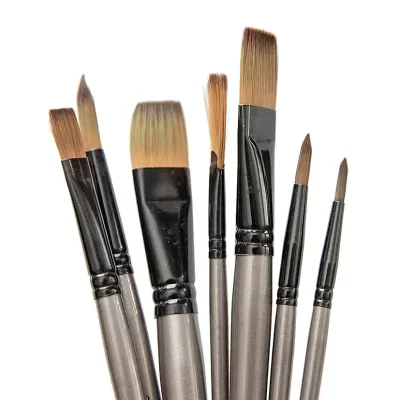
Brushes: Synthetic brushes work best because natural bristles can get damaged by acrylics. Keep a variety of shapes — flat, round, filbert — for different effects.
Palette Knives: Perfect for mixing colors or applying thick paint.
Palette: A glass, plastic, or disposable palette keeps your colors organized.
Mediums: These alter your paint’s texture, sheen, or drying time — from gloss and matte finishes to retarders that slow drying.
Canvas or Support: Pre-stretched canvas, canvas boards, or acrylic paper are all great choices.
Remember to clean your brushes immediately after painting. Once acrylic dries, it becomes waterproof — which is great for your artwork, but not for your brushes!
5. Color, Emotion, and Expression
Acrylics are renowned for their color vibrancy. Because they’re made with synthetic pigments, they offer intense hues that retain their brightness even after drying.
This makes them ideal for expressive art styles — from bold abstracts and street-inspired murals to delicate portraits and dreamy landscapes.
Color in acrylic painting isn’t just about aesthetics; it’s about emotion. A wash of deep ultramarine can convey calm, while bursts of cadmium red might express passion or energy. Acrylics invite you to speak in color — to make your emotions tangible.
By blending, layering, and experimenting, you learn to harness this visual language to tell your own story.
Another reason acrylics have earned a place in modern art studios is their durability and eco-friendliness. Unlike oil paints, they don’t require harsh solvents like turpentine — just water and a bit of soap for cleanup.
When properly sealed, acrylic paintings can last for decades without cracking, fading, or yellowing. Whether you hang your canvas indoors or display an acrylic mural outdoors, the medium’s flexibility ensures your work stands the test of time.
For artists conscious of sustainability, many brands now offer non-toxic, low-VOC acrylics that are safer for both creators and the environment.
Perhaps the most beautiful thing about acrylic painting is its accessibility. You don’t need a high-end studio or expensive equipment to begin. A small set of primary colors, a few brushes, and a simple canvas are enough to get started.
Acrylics encourage experimentation, forgiveness, and discovery. If something doesn’t work, paint over it. If you love a section, layer around it. The medium supports your growth, letting you learn through doing.
From children exploring their first creative impulses to professional artists producing gallery-worthy works, acrylics offer a shared playground where imagination and technique intertwine.
8. From Canvas to Creation
Acrylic painting isn’t just a medium — it’s a mindset. It invites you to be bold, to take risks, and to see every blank surface as an opportunity for creation.
Whether you’re expressing emotion through color, experimenting with texture, or transforming everyday objects into art, acrylics empower you to bring your visions to life.
In the end, the true magic of acrylic painting lies not in the paint itself, but in what it inspires you to create — from canvas to creation, and beyond.
*Some links on this page are affiliate links. I use Blick Art Materials and I’m a Blick Art Materials affiliate, which means I may earn a small commission if you make a purchase—at no extra cost to you. – Thanks so much for your support.