From Playful to Powerful: Creating Expressive Artwork with Crayons
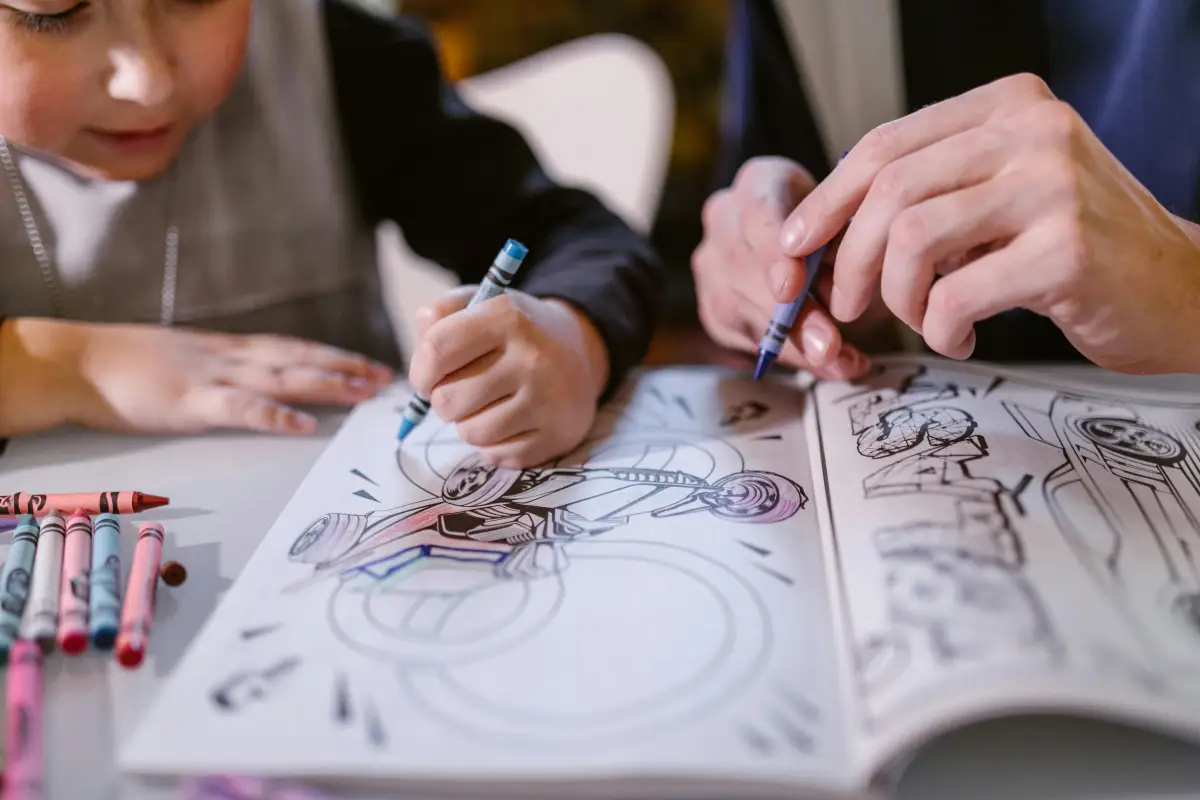
When you think of crayons, chances are you picture a childhood box filled with bright colors, a few worn-down tips, and maybe even a broken stick or two. They’re often associated with the playful creativity of kids, doodled rainbows, and half-finished coloring book pages. But here’s the exciting part: crayons aren’t just for children. With a little imagination and technique, these simple tools can transform into powerful instruments for expressive, breathtaking artwork.
In this article, we’ll explore how you can go from playful scribbles to expressive masterpieces—all while keeping things fun, approachable, and beginner-friendly.
Why Crayons Deserve a Second Look
Crayons are one of the most accessible art materials in the world. They’re inexpensive, easy to find, and mess-free compared to paints or inks. But what often gets overlooked is their versatility.
Crayons allow for:
Bold colors: Their pigment is vibrant and immediate.
Layering: You can build depth by adding layers.
Texture: The waxy consistency naturally creates interesting textures.
Portability: No need for brushes, water, or cleanup.
Professional artists and hobbyists alike have started to revisit crayons as a serious medium, creating landscapes, portraits, abstracts, and even mixed-media works. The key is knowing how to unlock their potential.
Step 1: Reconnect with Play
Before diving into techniques, start by letting go of perfection. Crayons invite play, so don’t pressure yourself to create a masterpiece right away. Instead, experiment.
Scribble freely and notice how the wax glides across paper.
Try layering two colors on top of each other.
Play with pressure—light strokes for soft colors, heavy strokes for bold ones.
This playful exploration builds confidence and helps you understand how crayons respond to different motions and surfaces.
Step 2: Explore Surfaces
The surface you choose can completely change how your crayon artwork looks.
Standard drawing paper: Smooth and predictable.
Textured paper: Adds depth and catches the wax in unique ways.
Cardstock: Stronger and less likely to tear with heavy layering.
Canvas panels or wood: Great for experimental mixed-media projects.
Try drawing the same simple shape (like a leaf) on different surfaces. Notice how each texture influences the outcome.
Here are some beginner-friendly techniques that can elevate your crayon work:
Blending Layer one color over another, then use a finger, tissue, or even a cotton swab to blend them together. The heat from your skin helps soften the wax, making transitions smoother.
Crosshatching Use overlapping lines in different directions. This creates both depth and texture.
Scraping (Sgraffito) Apply a thick layer of one color, then cover it with a darker color. Use a paperclip or toothpick to gently scratch away lines, revealing the color underneath.
Layering for Shadows Instead of using black, try layering complementary colors (like blue over orange or purple over yellow) to create rich, dimensional shadows.
Even though crayons are solid sticks, treat them as if you’re painting.
Start with light colors and build up to darker tones.
Work in layers rather than trying to capture everything in one pass.
Use bold strokes for expressive energy.
This mindset shift can help you see crayons as more than coloring tools—they become brushes for your imagination.
Step 5: Experiment with Mixed Media
Crayons pair beautifully with other materials. You don’t need to limit yourself.
Watercolor + Crayon: Paint a watercolor wash, then draw over it with crayons for texture. Or draw with crayon first, and paint over it—the wax resists the paint, creating a “crayon-resist” effect.
Acrylics + Crayon: Add crayon lines on top of dried acrylic paint for striking contrast.
Collage + Crayon: Glue paper scraps to your surface, then use crayons to integrate them into the piece.
This kind of playful mixing opens endless possibilities.
Great crayon art doesn’t have to start big. Look around you.
A bowl of fruit on your table can become a still life.
A sunset out your window is perfect for blending experiments.
Even abstract doodles, focusing only on color and shape, can turn into expressive art.
The everyday world provides countless opportunities for practice and inspiration.
Common Beginner Mistakes (and How to Avoid Them)
Pressing too hard too soon Heavy pressure wears crayons down quickly and can limit layering. Start light and build gradually.
Using only flat coloring Instead of just filling in spaces, use strokes, lines, and layering for depth.
Neglecting the paper surface Thin paper can tear. Use sturdier paper or experiment with textures for better results.
Forgetting to play Art doesn’t need to be rigid. Keep experimenting—you’ll discover new techniques by accident.
Celebrating the "Imperfections"
One of the most beautiful aspects of crayon art is its raw, textured feel. Unlike digital art or polished paintings, crayons leave visible marks of the artist’s hand. Those streaks, overlaps, and rough edges are part of the charm.
Instead of chasing perfection, embrace the expressive quality that crayons naturally bring.
Crayons may begin as playful tools of childhood, but in the right hands, they become powerful mediums for creative expression. Whether you’re sketching at the kitchen table, experimenting with textures, or combining crayons with other art supplies, the possibilities are endless.
The most important step? Pick up a crayon, start experimenting, and let yourself rediscover the joy of creating. You may be surprised at just how powerful a simple box of colors can be.
*Some links on this page are affiliate links. I’m a Blick Art Materials affiliate, which means I may earn a small commission if you make a purchase—at no extra cost to you. Thank you so much for your support.