From Rich Layers to Radiant Masterpieces: Unlocking the Art of Oil Painting
Oil painting has captivated artists and art lovers for centuries. From the hauntingly soft glows of a Vermeer interior to the textured, emotional brushwork of Van Gogh, oil paint has a unique ability to bring light, life, and texture to a canvas. It’s not just a medium — it’s an experience, one that rewards patience, experimentation, and passion.
In this post, we’ll explore what makes oil painting so magical, why it continues to stand the test of time, and how you can unlock its secrets to create radiant masterpieces of your own.
The Allure of Oil Paint
There’s something enchanting about oil paint from the very first touch of the brush. The buttery texture glides smoothly across the surface, allowing you to blend colors with unmatched subtlety. Unlike acrylics, which dry quickly, oil paints stay workable for hours or even days — a gift for artists who like to refine their work gradually.
Oil paint’s depth of color is another reason it remains the gold standard in fine art. The pigments are suspended in oil, which enhances their luminosity and gives paintings a richness that can’t easily be replicated in other mediums. The result? Hues that glow as if lit from within.
This characteristic has allowed oil painters for generations to build works with incredible realism, atmosphere, and emotion. Whether you’re painting a dramatic landscape, a delicate portrait, or an abstract exploration of color, oil paints offer both control and expressiveness — a rare combination.
A Brief History of Brilliance
Oil painting’s roots stretch back to the early Middle Ages, but it truly came into its own during the Renaissance. Artists such as Jan van Eyck are often credited with refining the use of oil as a painting medium. The flexibility and luminosity of oil allowed artists to achieve new levels of realism — the soft shadows, detailed textures, and lifelike skin tones that defined Renaissance art.
By the 17th century, masters like Rembrandt and Vermeer were using oil to explore light and texture in ways that continue to inspire painters today. In the 19th century, the Impressionists — Monet, Renoir, Degas — pushed the boundaries further, using oil’s slow drying time to blend colors directly on the canvas and capture fleeting effects of light and movement.
Each generation reinvented oil painting, proving that it’s not confined to a single style. From the precision of classical realism to the expressive impasto of modern art, oil painting remains a timeless playground for creativity.
Understanding the Technique: The Power of Layers
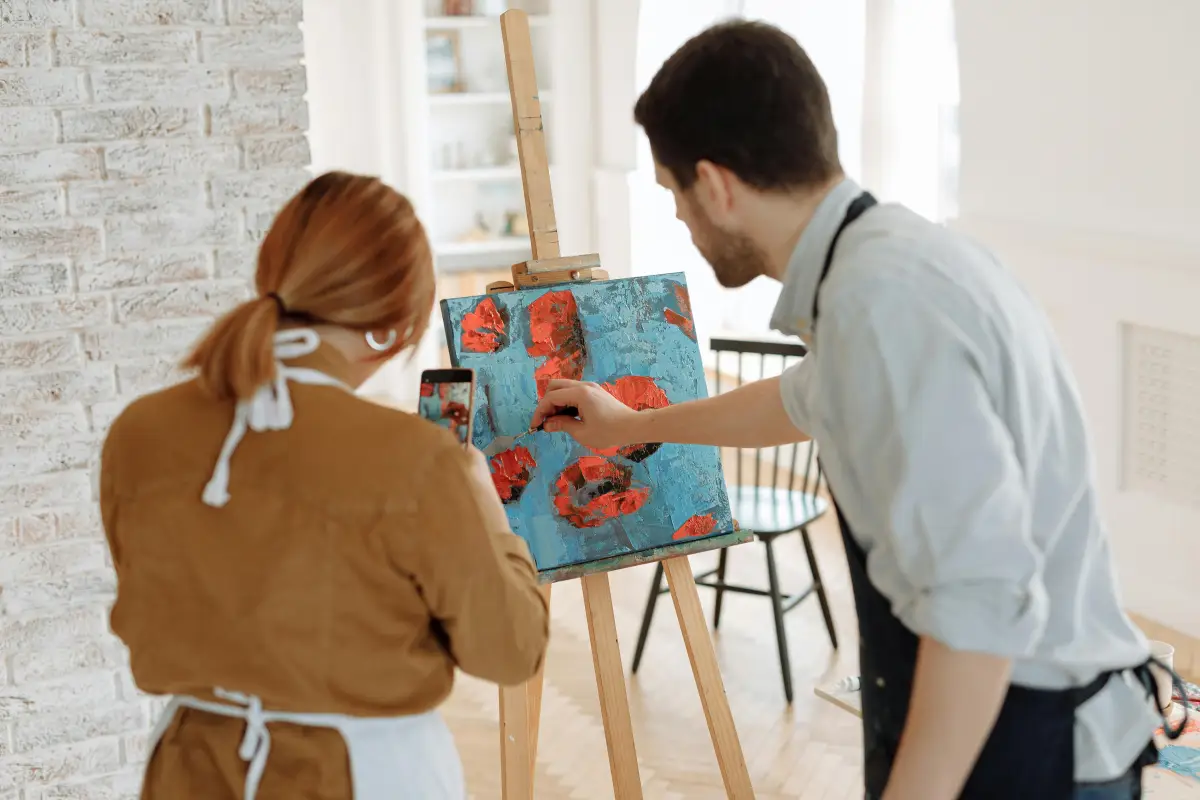
At the heart of oil painting lies one essential principle: painting in layers. Unlike watercolor, which relies on transparency, oil painting builds up depth through successive applications of paint.
The foundational layer — often called the underpainting — establishes composition, values, and general shapes. This is where you map out your image in a neutral tone or thinned color, much like a sketch on canvas.
Next comes the blocking-in phase, where you lay down broad areas of color and tone. Then, as the paint begins to dry, you can start refining details, adjusting edges, and introducing subtler shifts in color and light.
The final stages involve glazing and scumbling — thin, translucent layers of paint that alter the tone beneath without obscuring it. Glazing can create breathtaking luminosity, while scumbling (lightly brushing opaque paint over dried layers) adds texture and atmosphere.
The magic of layering is that it allows light to bounce through the paint, interacting with each layer and producing that characteristic “glow” oil paintings are famous for.
Great art begins with great materials — and oil painting is no exception.
Paints: Invest in high-quality artist-grade oils. They contain more pigment and less filler, resulting in stronger, more vibrant colors that last.
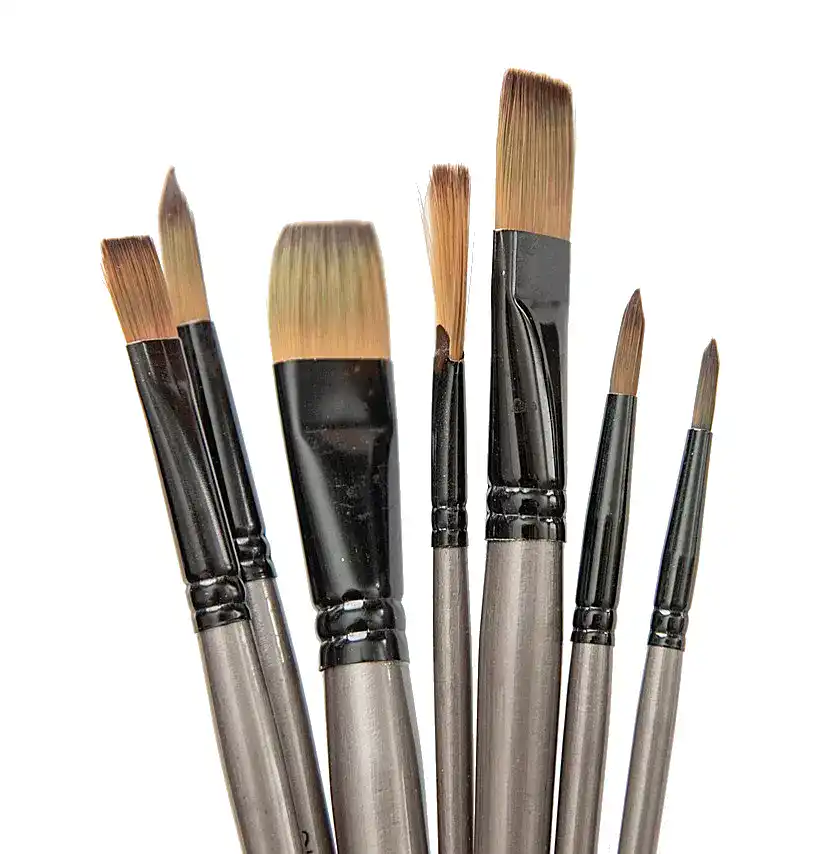
Brushes: Use natural bristles (like hog hair) for rough textures and synthetic brushes for smooth blending. Always clean them thoroughly — oil paint can ruin brushes if neglected.
Canvas and Ground: Stretch your own canvas or buy pre-primed ones. The primer, or gesso, creates a barrier between the fabric and the oils, preventing damage over time.
Mediums and Solvents: Linseed oil, walnut oil, or stand oil can thin your paints and modify drying time. Turpentine or odorless mineral spirits are used to clean brushes and thin paint in the early layers.
Remember the traditional rule: “fat over lean.” Each successive layer should have more oil (fat) than the one beneath. This prevents cracking as the painting ages.
One of the most transformative aspects of oil painting isn’t just learning how to apply paint — it’s learning how to see.
Oil painting trains your eye to notice subtle color shifts, the temperature of light, and the interplay of shadow and form. You begin to see that “white” isn’t really white, but a blend of cool blues and warm yellows. That shadows aren’t just black, but a tapestry of reflected hues.
This kind of observation transforms the way you perceive the world — not just as an artist, but as a human being.
The Joy of the Process
Oil painting rewards patience. It invites you to slow down, to lose yourself in the rhythm of brushstrokes and blending. Mistakes can be wiped away, repainted, or turned into unexpected beauty.
Unlike digital art, where undo buttons make change instant, oil painting demands a dialogue between the artist and the canvas. Each layer is a conversation, each brushstroke a response.
Over time, you’ll find that the process itself becomes as satisfying as the final piece.
Bringing It All Together: Your Radiant Masterpiece Awaits
Unlocking the art of oil painting isn’t about mastering every technique or mimicking the old masters. It’s about discovering your own voice through the medium — using those rich layers to express the way you see light, color, and emotion.
Whether you’re an absolute beginner or a seasoned artist rediscovering your craft, the possibilities with oil paint are endless. So pick up your brush, embrace the slow magic of the medium, and let your creativity shine through every luminous layer.
Because with every stroke, you’re not just painting an image — you’re crafting a masterpiece.
*Some links on this page are affiliate links. I use Blick Art Materials and I’m a Blick Art Materials affiliate, which means I may earn a small commission if you make a purchase—at no extra cost to you. – Thanks so much for your support.