From Washes to Wonders: Unlocking the Beauty of Watercolor Painting
Watercolor painting has been enchanting artists for centuries. From delicate botanical illustrations to sweeping landscapes, watercolor captures light, mood, and movement in ways no other medium can. For beginners, though, watercolors can feel a little intimidating. Paint that bleeds, water that runs wild, colors that mix unpredictably—how do artists turn that into beauty?
The answer lies in learning a few simple techniques, embracing the playful nature of the medium, and practicing with curiosity rather than fear. If you’ve ever wanted to explore watercolor painting but didn’t know where to start, this guide will take you from hesitant washes to confident wonders.
Why Choose Watercolor?
Unlike oil or acrylic paints, watercolor has a luminous transparency. Light passes through the pigment and reflects off the paper, creating a natural glow. That’s why watercolor skies look so fresh and why flowers painted in watercolor seem to almost breathe on the page.
Here are a few reasons beginners love it:
Affordable & accessible: You don’t need a studio or fancy equipment. A few pans of paint, a brush, and paper are enough.
Quick setup & cleanup: Water and paper towels are your best friends—no solvents or long drying times required.
Playful surprises: Watercolors have a mind of their own. Learning to work with the flow, rather than against it, makes the process fun and freeing.
Gathering Your Watercolor Toolkit
You don’t need to spend a fortune to start. A simple set of materials will set you up for success:
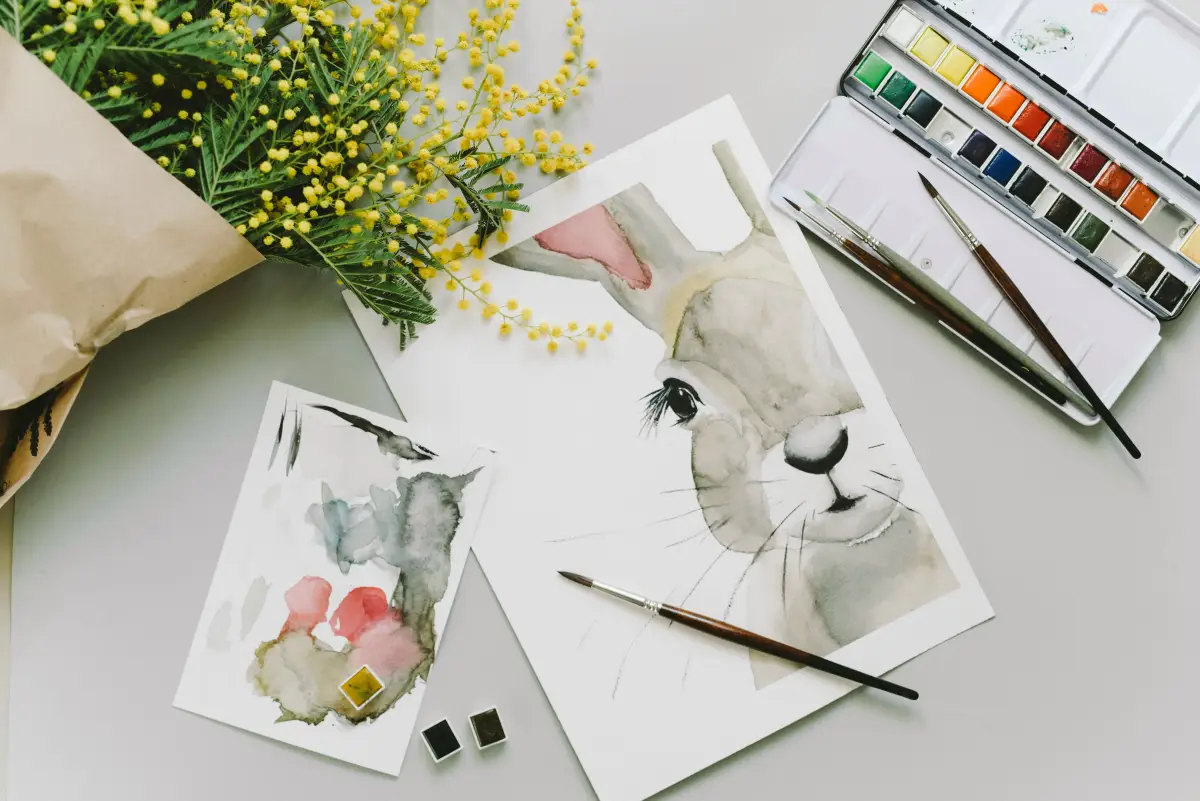
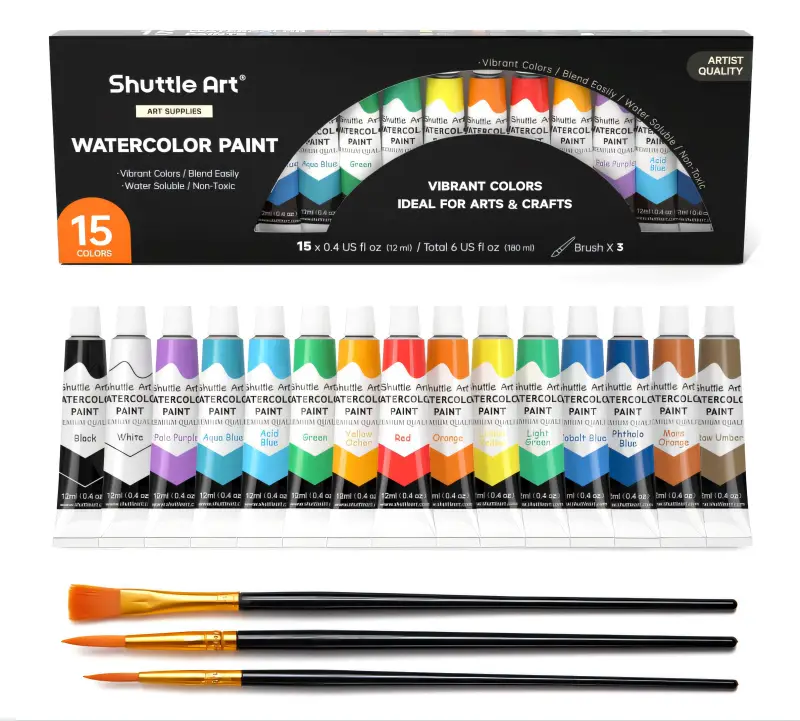
Paints – Beginner-friendly watercolor sets come in pans (small cakes of dried paint) or tubes. Pans are convenient; tubes give you more intense colors.
Paper – Regular printer paper won’t cut it. Look for watercolor paper (140 lb or higher). Cold-press paper has a nice texture; hot-press is smooth and better for details.
Brushes – A medium round brush, a smaller detail brush, and a larger flat brush are enough to begin. Synthetic brushes are affordable and work beautifully.
Water jars – One for rinsing, one for clean water. This keeps your colors vibrant.
Palette or plate – For mixing paints. Even a white ceramic dish works.
Towel or paper towel – For dabbing excess water and controlling your brush.
At the core of watercolor painting are washes—thin layers of diluted paint applied to paper. Washes can be smooth, gradient, or textured, and they’re the building blocks of most watercolor techniques.
Flat wash: A smooth, even layer of one color. Perfect for skies or backgrounds.
Graded wash: A color that fades gradually from dark to light. Great for sunsets or oceans.
Wet-on-wet wash: Painting onto wet paper so colors flow and merge naturally. This creates dreamy blends.
Practice washes often. Think of them as warm-ups for your brush hand and a way to understand how water and pigment behave.
Beginner-Friendly Techniques to Try
Once you’re comfortable with washes, you can explore some fun effects:
Dry brush: Use less water and more pigment for scratchy, textured strokes—great for tree bark or grass.
Salt effect: Sprinkle salt on a wet wash and watch starburst textures appear. Perfect for snowflakes or abstract skies.
Lifting: While paint is still damp, use a clean, damp brush or tissue to lift color, creating highlights or clouds.
Layering (glazing): Apply a wash, let it dry, then add another on top. This builds depth and richness.
These techniques give you a vocabulary for expressing light, texture, and movement in your paintings.
Embracing "Happy Accidents"
One of watercolor’s most charming qualities is its unpredictability. Paint may bloom outward, colors may mix unexpectedly, and edges may soften more than you planned. Instead of frustration, think of these as happy accidents.
Many masterpieces come from letting watercolor guide you. The key is to find balance: control your brush where it matters, but give freedom where the magic happens.
The best way to improve is through consistent, low-pressure practice. Set aside 15 minutes a day to play with washes, color mixes, or tiny sketches. Over time, you’ll find your own rhythm.
Many artists keep a watercolor journal—a sketchbook filled with experiments, doodles, and practice pieces. It’s a safe space to explore without judgment.
Unlocking Your Creative Flow
Watercolor painting isn’t just about technique—it’s also about mindfulness. The sound of water swirling in a jar, the movement of pigment across paper, the way colors surprise you—it can be meditative.
When you sit down to paint, let go of perfection. Focus on the process, not the outcome. With time, your “washes” will indeed become “wonders.”
Final Thoughts
Watercolor painting is a journey of discovery—of color, creativity, and patience. With just a brush, water, and pigment, you can create glowing washes, textured effects, and vivid expressions of your imagination.
So the next time you see paint bleed into water, don’t panic. Smile, and remember: that’s watercolor showing you its magic.
*As an Amazon Associate, I earn from qualifying purchases. This means that if you click on an Amazon link on this page and make a purchase, I may receive a small commission at no additional cost to you. – Thanks so much for your support.