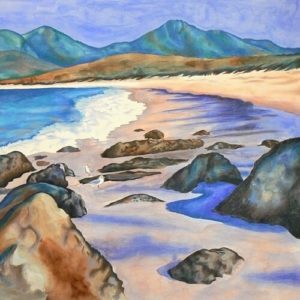
Sketch, Blend, Paint: Unlocking the Creative Power of Watercolor Pencils
What Are Watercolor Pencils?
If you’ve ever wished you could capture the rich color and flowing beauty of watercolor painting without the mess or intimidation, watercolor pencils might just be your new best friend. These versatile tools combine the precision of a colored pencil with the expressive magic of watercolor paint — a perfect balance for beginners and experienced artists alike.
Whether you’re sketching in a travel journal, experimenting in your first art class, or looking to expand your creative toolkit, watercolor pencils open up a world of artistic possibilities. Let’s explore how to use them, what makes them special, and how you can start creating your own stunning pieces with confidence.
Why Artists Love Them
Watercolor pencils are popular for so many reasons, but here are the top benefits that make them ideal for beginners:
No Mess, No Stress: Unlike traditional watercolors that require mixing, palettes, and lots of water, watercolor pencils are easy to control and cleanup is a breeze.
Precision and Flexibility: You can use them for sharp details, soft gradients, or broad washes — all in one tool.
Portability: Traveling? Just pack your pencils, a brush, and a small water container. Instant art studio!
Layering Made Simple: You can build up color gradually and experiment without fear of overworking your piece.
Perfect for Beginners: Even if you’ve never touched watercolors before, these pencils make it easy to explore watercolor techniques without the learning curve.
You don’t need much to start experimenting with watercolor pencils. Here’s what you’ll need:
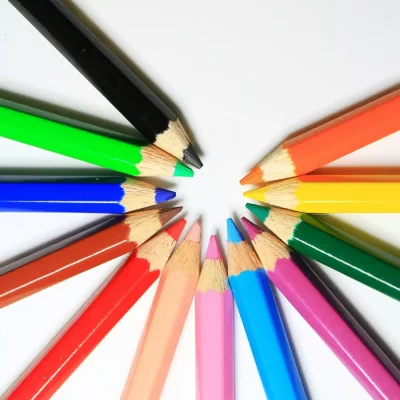
Watercolor Pencils: Start with a mid-range set (12–24 colors is perfect for beginners). Brands like Faber-Castell, Derwent, or Prismacolor offer great quality.
Watercolor Paper: Regular sketch paper can buckle when wet. Choose 140 lb (300 gsm) watercolor paper for best results.
Brushes: A small round brush and a medium flat brush are enough to start. You can also try a water brush — a pen-like brush that holds water in the handle.
Water and Paper Towels: For blending, cleaning, and adjusting your washes.
Optional Tools: A spray bottle (for texture effects), masking tape (to frame your artwork), and a sharpener.
Three Simple Techniques to Try
Let’s dive into some easy, beginner-friendly ways to explore watercolor pencils. These techniques will help you unlock their creative potential while having fun.
1. Dry-on-Dry (Drawing Like a Regular Pencil)
This is your most basic method — simply draw with the pencils as you would with colored pencils. You can layer and blend colors by overlapping them.
Tip: Use light pressure to build color gradually. The pigment will dissolve more evenly when you add water later.
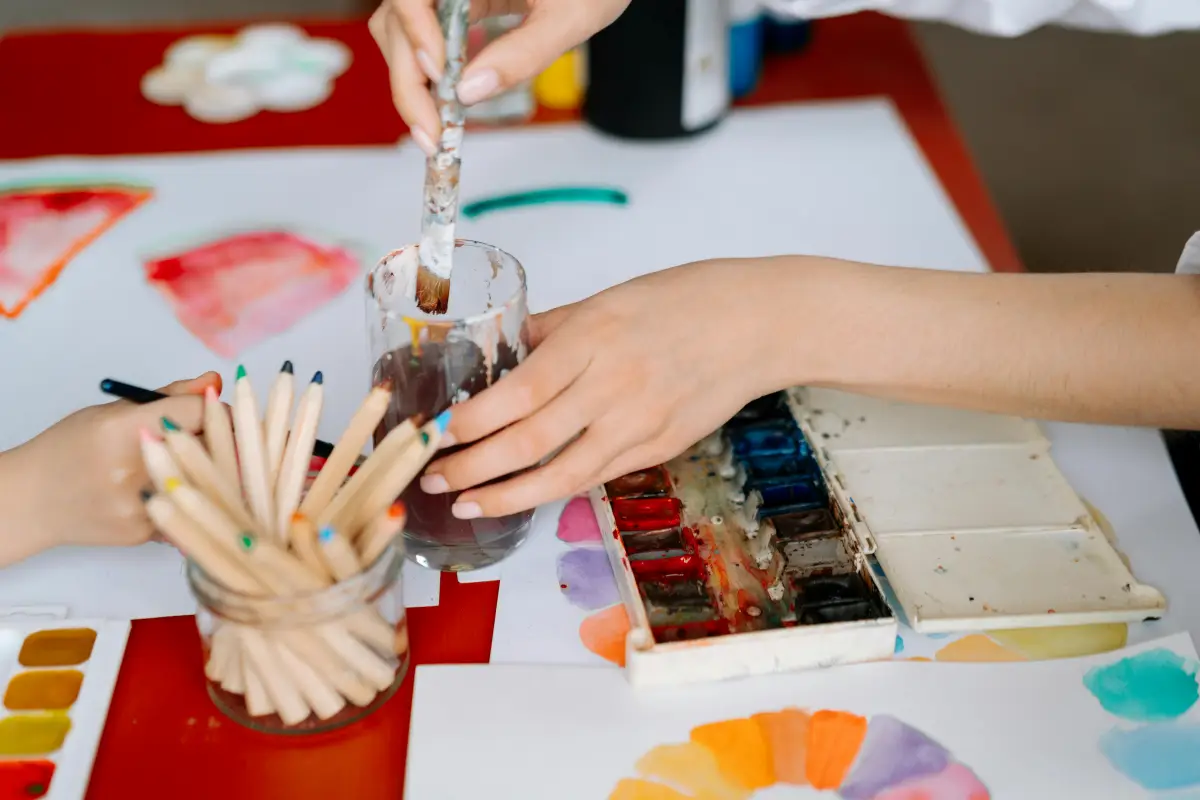
Once you’ve sketched your drawing, dip your brush in clean water and gently sweep over the pencil lines. Watch the pigment melt into soft, fluid color!
You can control how much the color spreads by adjusting your brush’s wetness. Less water = sharper detail. More water = looser, dreamy effects.
Tip: Work in small sections so you can blend smoothly before the pigment dries.
3. Wet-on-Dry (Paint with the Pencil Tip)
For richer, more intense color, try dipping your pencil tip in water and drawing directly onto dry paper. This creates bold, painterly marks perfect for accents, shadows, or vibrant details.
Bonus Trick: To create soft backgrounds, lightly color an area with pencil, then use a damp brush to blend it into a smooth wash. It’s like painting with built-in pigment!
Blending and Layering Magic
One of the most enjoyable parts of watercolor pencils is blending colors. Try these simple approaches:
Layering Dry Colors: Color one hue over another before adding water to create custom shades.
Wet Blending: While the paint is still damp, blend two colors together directly on the paper for smooth transitions.
Lift and Lighten: Use a clean damp brush or paper towel to lift pigment and create highlights — great for clouds, reflections, or glowing effects.
The more you play, the more you’ll discover how water and pigment interact. Every stroke teaches you something new.
Start Light: It’s easier to darken a color than to lighten it once it’s wet.
Use Good Paper: The right paper makes a huge difference in how pigment blends.
Test Before You Commit: Always test colors on a scrap piece of paper to see how they react to water.
Work in Layers: Build color gradually, letting each layer dry before adding more.
Keep It Clean: Change your water often to prevent muddy colors.
The Joy of Experimentation
The beauty of watercolor pencils is that there’s no wrong way to use them. They encourage exploration and reward curiosity. You might start with a neat, detailed sketch and end up with something beautifully fluid and unexpected.
Every line, every wash, every happy accident helps you grow as an artist. So grab your pencils, a cup of water, and let your imagination flow — one stroke at a time.
In Short: Why You’ll Love Watercolor Pencils
Easy to control, yet expressive and fun
Perfect for travel and quick studies
Beginner-friendly, but endlessly versatile
Allow you to sketch and paint — all in one tool
So go ahead — sketch, blend, paint, and discover how watercolor pencils can bring your creativity to life. Once you try them, you’ll wonder how you ever created without them.
*Some links on this page are affiliate links. I’m a Blick Art Materials affiliate, which means I may earn a small commission if you make a purchase—at no extra cost to you. Thanks so much for your support.