The Magic of Watercolors: Creating Dreamlike Art with Brush and Flow
There’s something enchanting about watercolors. They swirl, flow, and blend together in ways that feel alive—like watching color dance across a page. Whether you’re just beginning your creative journey or looking for a new medium to explore, watercolor painting offers a dreamlike beauty that’s approachable, forgiving, and full of surprises.
In this guide, we’ll walk through the essentials of watercolor painting in a beginner-friendly way. You’ll learn what makes this medium special, what tools you need, and how to start creating magical works of art with just water, pigment, and a brush.
Why Watercolor Feels Magical
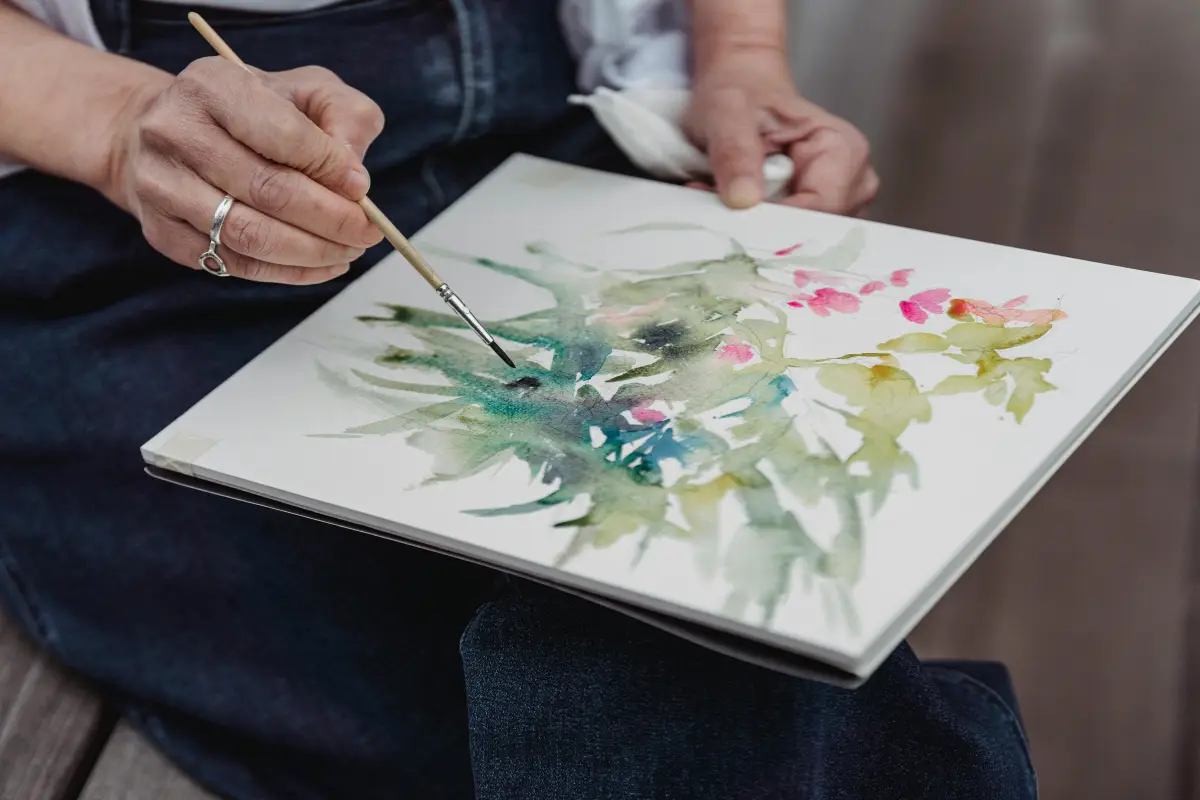
Unlike other paints, watercolors are transparent. This transparency allows light to pass through the pigment and bounce back from the paper, creating a luminous glow that’s hard to replicate with any other medium. When the water carries color across the surface, the result is unpredictable yet delightful—like watching clouds drift or waves ripple.
That unpredictability is part of the magic. Watercolors encourage you to embrace flow, spontaneity, and happy accidents. Even if you’re someone who doesn’t think of themselves as “artistic,” watercolor offers a forgiving entry point. A small splash of blue blending into green can already feel like a landscape.
The Essentials: What You'll Need
Starting with watercolor doesn’t require a huge investment. With just a few key tools, you’ll be ready to explore.
Use watercolor paper (140 lb / 300 gsm or higher). Regular printer paper buckles and can’t hold the water properly.
Cold press paper has a textured surface and is beginner-friendly.
Water & Palette
Two jars of water: one for rinsing, one for clean water.
A mixing palette (plastic, ceramic, or even a white plate) to blend colors.
Extras
A pencil for sketching outlines.
A paper towel or cloth to blot, lift, or soften edges.
Getting Started: Simple Techniques
Before diving into a full painting, practice a few beginner-friendly watercolor techniques. These will give you a feel for how the paint behaves:
Wet-on-Dry Paint on dry paper. You’ll get crisp, defined edges and more control.
Wet-on-Wet Wet the paper with clean water first, then add paint. Watch as the pigment spreads, blends, and blooms into soft, dreamlike shapes.
Gradients Start with concentrated color and gradually add water as you move your brush across the paper, creating a smooth transition from dark to light.
Lifting While the paint is still damp, use a tissue or dry brush to lift color. This creates highlights and light effects.
Layering (Glazing) Once a layer is completely dry, paint over it with a new wash. This allows you to build depth and richer tones.
Painting Your First Dreamlike Scene
Let’s put those techniques into action with a simple project: a dreamy watercolor sky.
Step 1: Prepare Your Paper Lightly tape your paper to a flat surface to prevent warping.
Step 2: Wet the Surface Use a large brush to spread clean water across the top half of your page.
Step 3: Add Color Drop in shades of blue, pink, and purple. Let them flow and blend naturally—don’t overwork it.
Step 4: Create Depth Add darker tones near the top and lighter washes near the horizon.
Step 5: Add Details Once the sky is dry, use a smaller brush to paint silhouettes of trees, mountains, or a city skyline.
This project is simple, but it immediately creates that dreamy, flowing effect watercolors are loved for.
Embracing "Happy Accidents"
One of the biggest lessons in watercolor painting is learning to let go of perfection. Unlike acrylics or oils, you can’t completely control where the water will flow. A color might spread more than you expected, or edges may soften in surprising ways.
Instead of fighting it, lean into it. Those unexpected blends often look more organic and magical than anything you could plan. It’s this balance between intention and spontaneity that makes watercolor such a joy.
As you experiment, you’ll naturally find your rhythm with watercolors. Some artists love soft, flowing landscapes. Others enjoy crisp, controlled botanical studies. And some combine watercolor with ink for bold, whimsical illustrations.
The beauty of this medium is that it adapts to your creativity. Whether you dream of painting serene skies, magical forests, or abstract washes of color, watercolor has room for it all.
*Some links on this page are affiliate links. I’m a Blick Art Materials affiliate, which means I may earn a small commission if you make a purchase—at no extra cost to you. Thanks so much for your support.