The Timeless Elegance of Oil Paint: Techniques to Transform Your Canvas
For centuries, oil painting has captivated artists and admirers alike with its depth, richness, and unmatched luminosity. From the haunting chiaroscuro of Caravaggio to the dreamy brushwork of Monet, oil paint remains a favorite medium for artists seeking timeless beauty and expressive versatility. Its slow-drying nature and buttery texture invite experimentation, layering, and detail that few other mediums can rival.
Whether you’re a beginner curious about dipping your brush into oils or a seasoned painter seeking fresh inspiration, understanding the techniques that define this classic art form can truly transform your canvas.
Below, we explore the enduring elegance of oil paint and the methods that make it so magical.
1. The Allure of Oil Paint
Oil paint’s lasting appeal lies in its texture, blending ability, and color depth. Made by mixing pigments with linseed, walnut, or safflower oil, it provides a smooth, luscious consistency that allows for seamless transitions of tone and hue. Unlike acrylics or watercolors, oil paint dries slowly—giving artists time to manipulate the surface, rework details, and achieve incredible realism or abstract expressiveness.
This flexibility has made oil paint the medium of choice for history’s greatest artists—from Leonardo da Vinci’s ethereal “Mona Lisa” to Van Gogh’s impasto-rich “Starry Night.” In every era, oil paint has evolved while retaining its timeless character.
2. Preparing the Canvas: The Foundation of Greatness
Before any color meets the surface, proper canvas preparation is essential. Start with a stretched canvas primed with gesso, a white paint mixture that seals and smooths the surface. This prevents the oil from seeping into the fibers, which can cause deterioration over time.
Many artists also apply a toned ground, or “imprimatura,”—a thin wash of a neutral or warm color. This eliminates the stark white of the canvas and establishes a harmonious base tone that subtly influences the painting’s mood and depth.
Think of it as tuning an instrument before a concert—the better prepared your canvas, the more resonant your final piece will be.
One of the golden rules of oil painting is “fat over lean.” This principle dictates that each successive layer of paint should contain slightly more oil (fat) than the one beneath it. Why? Because oil paint dries from the top down. If the upper layers dry more slowly than those below, the paint can crack over time.
Start with lean mixtures—paint thinned with turpentine or mineral spirits—for the initial underpainting. Gradually add more oil or medium in subsequent layers. This technique ensures your painting remains structurally sound and visually rich, with subtle transparency and texture.
4. Mastering the Underpainting
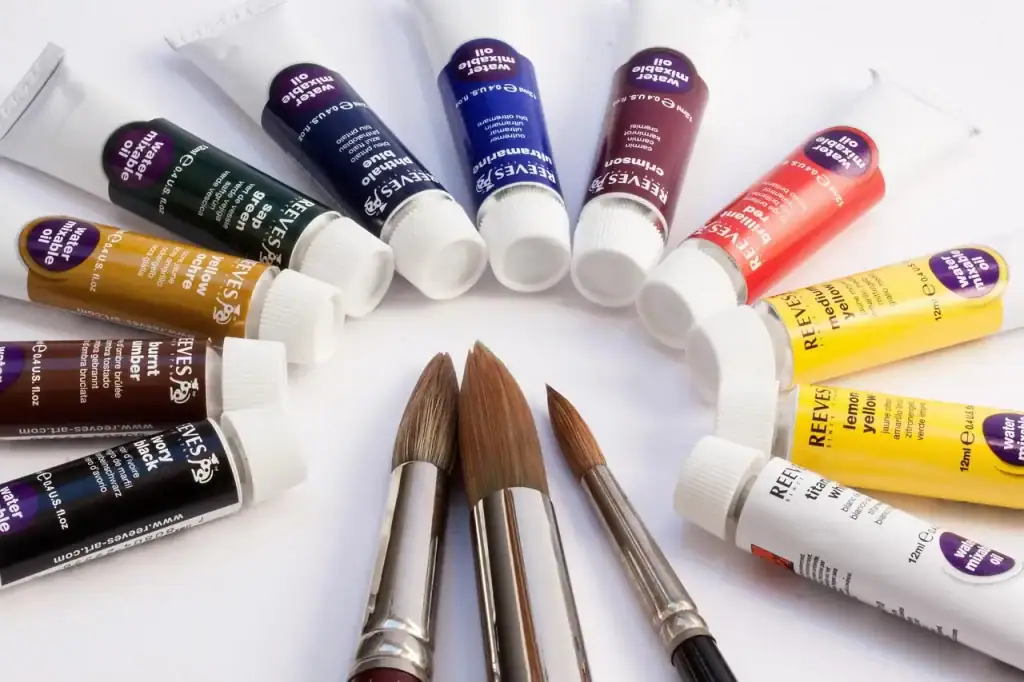
The underpainting acts as your roadmap—a monochromatic or limited-color sketch that defines composition, light, and shadow. Traditional masters often used earthy tones such as burnt umber or raw sienna to block in values before applying color.
This stage gives you a chance to refine proportions and perspective without the distraction of hue. When done well, it breathes life into the final layers, allowing glazes and highlights to sing with radiant harmony.
Perhaps the most enchanting technique in oil painting is glazing—applying thin, translucent layers of color over a dry layer of paint. Each glaze subtly alters the tone beneath it, creating a glowing depth that seems to emit light from within the canvas.
Glazing allows artists to build luminous skin tones, shimmering water, or atmospheric skies with an otherworldly quality. The key lies in using transparent pigments and a glazing medium, applying them sparingly, and allowing each layer to dry fully before continuing.
A well-executed glaze transforms a painting from beautiful to breathtaking.
6. Exploring Impasto: Painting with Texture
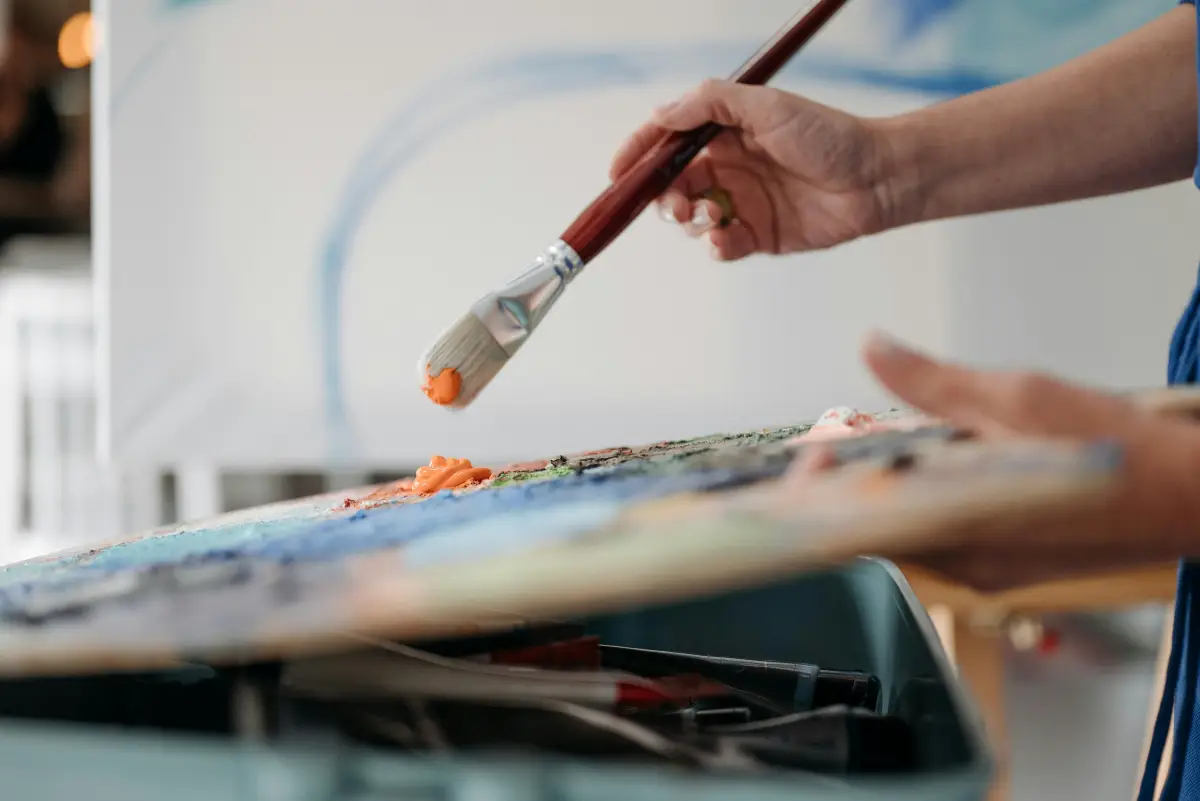
While glazing is about transparency, impasto celebrates the opposite—thick, expressive brushstrokes that add dimension and movement. By applying paint directly from the tube or with a palette knife, you can sculpt form and light, creating tangible emotion on the surface.
Van Gogh famously used impasto to infuse his paintings with intensity and rhythm. Modern artists, too, use it to bring texture and energy to their compositions. Don’t be afraid to let the paint stand proudly on the canvas; sometimes, the boldest strokes convey the deepest feeling.
Oil paint’s slow drying time allows for smooth blending, a technique central to achieving realistic light, shadow, and texture. Use a soft brush or dry blending technique to merge tones seamlessly—perfect for rendering skin, clouds, or fabric.
Blending also invites subtlety: avoid overworking the paint, as excessive manipulation can muddy the colors. Strive for balance—where edges breathe but forms remain distinct.
Each brushstroke tells a story. Broad, sweeping strokes evoke movement and emotion, while fine, controlled lines capture intricate detail. Varying your brushwork—using flat, filbert, or round brushes—can dramatically alter your painting’s atmosphere.
Remember: brushwork is personality. Whether you favor the smooth realism of Vermeer or the vigorous textures of Sargent, your brush marks become part of your artistic signature.
9. Patience and Drying: The Rhythm of Time
Oil painting teaches patience. Because the medium dries slowly, rushing can lead to smudges, dull finishes, or unintentional mixing. Allow each layer to cure before applying the next—sometimes days, sometimes weeks, depending on thickness and medium used.
Use this time to observe your work from a distance, refine your vision, and plan your next move. Great oil paintings are not rushed—they’re revealed.
Once your masterpiece is complete and fully dry, applying a varnish protects the surface and enhances color vibrancy. Choose between matte, satin, or gloss finishes depending on the desired effect. Always ensure your painting is thoroughly cured—this can take several months for thickly painted works.
A well-varnished piece not only shines with professional polish but also preserves your creation for generations to come.
A Legacy on Canvas
Oil painting is more than technique—it’s a dialogue between artist, pigment, and time. Each brushstroke carries echoes of tradition, yet every artist brings a fresh voice to the conversation. Whether you’re capturing a fleeting moment of light or exploring abstract emotion, oil paint invites you to slow down, observe deeply, and connect with centuries of artistic legacy.
As you stand before your next blank canvas, remember: the beauty of oil paint lies not just in the final image, but in the journey of transformation it inspires—both on the canvas and within you.
*Some links on this page are affiliate links. I use Blick Art Materials. I’m also a Blick Art Materials affiliate, which means I may earn a small commission if you make a purchase—at no extra cost to you. – Thanks so much for your support.